

Season 4, Episode 11
Jessica Cook
VP, Marketing at Vector

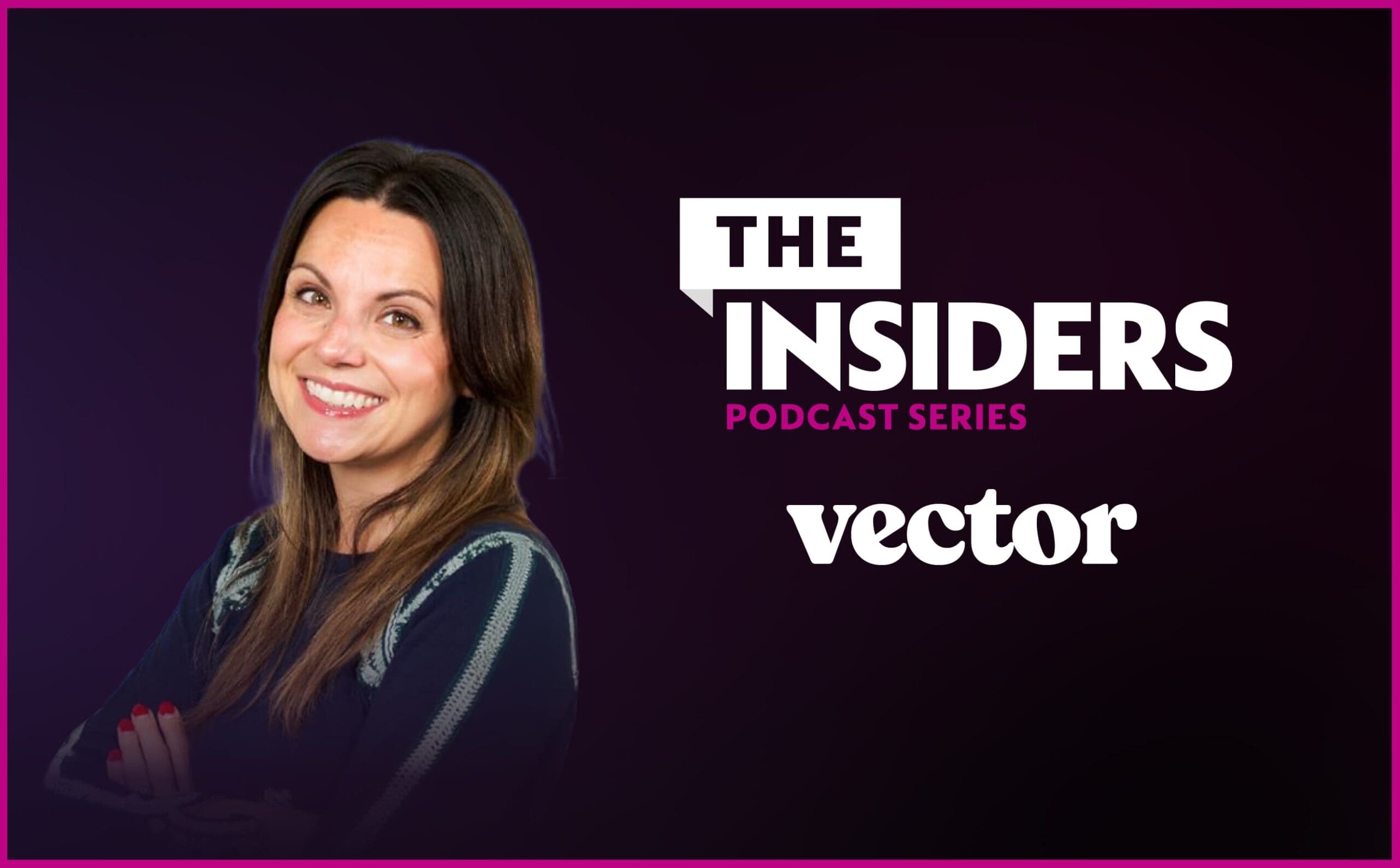
Brand, Content and Building Demand with Jessica Cook
Available on


In this episode of The Insiders, Richard Lane is joined by Jessica Cook, Head of Marketing at Vector, to explore why storytelling has become one of the most powerful growth levers in modern B2B marketing.
From building pipeline without a traditional demand gen function to creating a brand that genuinely resonates with marketers, Jessica shares practical insights from her journey leading marketing at a fast-growing SaaS business and why content is no longer a “nice to have”.
The conversation covers brand, content, leadership buy-in and what it really takes to stand out in a crowded market.
- Why there is no marketing without content
- How storytelling is shaping the future of marketing leadership
- Growing pipeline through brand-led activity
- What most companies get wrong with swag and brand experiences
- The role CEOs play in successful marketing strategies
- Building demand by understanding your audience deeply
“Organisations that recognise their strengths, double down on doing what they do best, and then using other people and other partners to do other aspects, tend to grow the fastest, tend to be sustainable, and tend to develop and build the best businesses.” – Richard Lane
Transcript
(0:00 – 1:39)
Welcome to Insiders by Durham Lane, an industry podcast that connects the worlds of sales and marketing one guest at a time. I’m your host Richard Lane, co-founder and chief commercial officer of Durham Lane, and today I’m thrilled that we’ve got Jessica Cook in the hot seat. Jess is head of marketing at Vector.
I say the hot seat, it’ll be a really nice conversation, Jess, so don’t you worry about that. Firstly, really great to have you on the show. Thanks for being with us and perhaps to get started before we sort of dive into brand, marketing, search, etc.
Why don’t you just tell the listeners a little bit about yourself and about Vector? Absolutely, and thank you for having me Richard, excited to be here. My name is Jess Cook, I’m head of marketing at Vector. Vector is a tool that lets you build ad audiences of people who are kind of already in your atmosphere, the people coming to your website, the people clicking your ads but not converting, the people researching your competitors and relevant topics.
We de-anonymise them all and let you build ad audiences and push them directly to the ad platforms that you’re already using. So, really, really interesting technology and this is my first head of marketing role. So, I’ve spent the last, oh boy, six, seven years as content marketer and kind of building content departments and programmes at a handful of different SaaS companies.
And before that, I was a copywriter and a creative director in B2C. So, made kind of a pivot, mid-career pivot, and I’m absolutely in the right place. I made the right decision.
(1:40 – 5:27)
Unbelievable, fantastic. Well, good for you because a pivot in every walk of life is a cool thing, especially when it delivers value for you. So, congrats on that.
I think, I mean, content’s probably quite a good place to start, right? Because what you mentioned in terms of where Vector plays, you must be, it sounds like you’re part of the trendy intent and signal set. So, you know, I love the way that signals has become the new buzzword. How does and what’s your view of content in the mix of marketing? It’s a great question.
And I think there is no marketing without content. I’m not really sure what you put behind, you know, what you would build a campaign around or any kind of point of view or differentiation if you don’t have a piece of content to explain what that is. So, that’s not a new take.
That’s just, you know, I think marketing is content marketing. In fact, I think you’re going to start to see more and more, like me, heads of marketing come from a content background. It used to be that heads of marketing, CMOs, only came from demand gen or product marketing because they were, you know, they’re very foundational in terms of the narrative that you tell or, you know, their demand gen marketers are very close to pipeline, right? And so, those kind of two paths usually make it to that kind of head of marketing role faster.
But recently, I don’t know if you’ve seen the headlines, I think it was Wall Street Journal article or maybe New York Times that just posted an article about companies are now looking for storytellers, like that is the hot new job title. And so, I think that’s a trend that is due in part to all of this kind of AI and where the traffic go and how do we attribute anything anymore when we don’t know where people are coming from? We do that with brand and with storytelling. And so, I think you’re going to start to see more heads of marketing come from a content storytelling background.
So, you’re leading the trend. I’m trying. I’m trying.
There have been others, thankfully. Yeah, absolutely. So, I mean, that’s really, I’ve, you know, and I think on this podcast, we always talk about the link between sales and marketing and storytelling is I’ve always felt where it’s at.
It just felt like such an easy part of the job to me just to say, well, I thought you’d be interested because we’ve done something similar with someone else a bit like you. And guess what? It always captures attention. So, I’m not surprised that the storytelling aspect, I’m not surprised and I’m really pleased the storytelling aspect is coming to the fore.
How does that weave into brand or what’s your experience in terms of that? And it’d be good, actually, maybe to think of some great examples and some less good examples of how that storytelling and brand sort of has all come together to work positively. So, I started at Vector in February and we spent the majority of this year just building awareness through brand. Like, how are we going to get people to know who we are? Like you said, kind of this signal space is really crowded.
A lot of them are like sales tools. So, I think that was one thing we had going for us was we are directly built for marketers to build ad audiences from these signals and from, you know, de-anonymisation and kind of this idea of contact level, like who by name is interested in what you’re doing and the problems you solve. So, that was really where we started was like, how can we build awareness through really interesting brand plays? We started a podcast called This Meeting Could Have Been a Podcast.
(5:28 – 6:26)
It’s now in its second season and we didn’t want to do, you know, kind of the typical thing. We wanted it to be recorded on set. Every episode is myself and my CEO and that was a conscious decision.
There is a lot built into that relationship at every company, every kind of marketing leader, CEO relationship. How do you navigate that? And we knew that and we knew marketing the marketers, that would be something people would be interested in. And so, every episode is essentially like our one-on-one.
So, this latest episode that actually just came out today is called Josh Wants to Start an Influencer Programme. Last week’s was Jess Wants to Sponsor an Event, right? And so, each episode is kind of a thing we have to come to a decision to together. And so, that’s been a huge boon for us, just people getting to know who we are as people and then vector by way of who we are, right? So, that’s been a huge play for us.
(6:27 – 7:39)
We have a mascot. Our mascot is highly beloved. It’s this little ghost here behind me.
We just affectionately call him Ghosty. But he’s kind of a nice shorthand for what the product does, reveal who is interested in your space, right? No longer anonymous clicks, and now you have a name attached to that engagement. So, that has been a really, really fun kind of way for us to go out and get people to understand what we do, but also stop the scroll in our ads, in our videos, on our website, right? Like get people interested in, oh, these folks are different.
Like they’re doing something a little bit different. Let’s see, what else? Our swag, like even our swag, people talk about, we have some really interesting pieces. Like we designed, if you’ve ever heard of the game, Cards Against Humanity.
So, we designed our own version of that called Marketers Against Humanity. We have a very specific strategy around our swag. So, that game was part of like, okay, we need one piece that can be really shareable, right? Like people will play it with other marketers.
Maybe they’ll take a picture of it. They’ll post it. And we have seen that, you know, get that game and they’ll play it with others and they’ll talk about it on social media.
(7:40 – 8:38)
Then the next step up is kind of this idea of a lot of, you know, I think it’s like 60 or 70% of marketers are women. And whenever they go to these conferences, it’s like, they’re always looking for something to bring home to their kids, right? And so, that’s where the plushy came in. We have a Lego set, right? Where it’s like, let’s take one thing off of her plate.
When she travels for work, she doesn’t have to think about like, I got to stop at the airport and I got to find something for my kids, right? So, it’s like just knowing your audience really well and like, what would they appreciate? What would they love? What would they find funny? What would they find interesting, different, intriguing? And so, that’s kind of how we’ve built up the brand and the business this year. We had no demand gen function this year and we’re still able to hit our kind of pipeline of revenue goals for our first year in business. So, yeah, it’s exciting to see that like, you can grow a business on brand alone and very little kind of demand gen activity.
(8:39 – 8:48)
That doesn’t work forever. And so, we’re changing that next year. We have a demand gen marketer joining us in January so that we can start to really scale all of this up.
(8:48 – 10:25)
And move to the next level having built the foundations. Yeah, that’s great. Some great examples there.
What about where some of that sort of merch or swag has not worked well? Have you got examples of where it just hasn’t resonated or what, you know, maybe from past rolls? I’ve definitely got one, but I’d be interested to know from you if there are sort of examples of where it was just didn’t land. Yeah, I mean, I think we all have that drawer of t-shirts or that pile that we need to get to the donation bin, right, of t-shirts. I know that I have a couple of kind of swag t-shirts in there.
How many pens can you give away? I mean, I think there’s the things that everyone does. And then I think if you take it a step further and really understand like, what’s different? What would be appreciated or make someone smile? Like, I think that’s where we try to go because look, the bar is low with swag. Like, you don’t have to try hard for it to feel very different and feel ownable.
I think that’s a really interesting thing, too. Like, how can it feel like something that only your brand could give away? That’s a really nice kind of lens to look at it through. What are some of your bad examples? Well, I remember back in my corporate life, I was selling software and the marketing team sent little corgi double-decker buses to everyone, just little toys with our logo on the side.
(10:25 – 10:36)
And I mean, there was no story behind it at all. It was just, you know, just a thing. And then I was selling another software for the same company and it was about online resources.
(10:37 – 12:35)
So we sent everyone a little book and they were like, well, you’re trying to sell me online resources, yet you’re cutting trees down, creating this. It was like, you know, we had some sort of terrible follow-up conversations. But what I love about the stories you’ve shared there, Jess, is a lot of thought has been put into it, but it’s also really tailored to your audience.
So you’re thinking about 67%, 70% of your audience are women. Therefore, how can we help them make life a bit easier when they’ve been at shows, for example? So you might not necessarily realise that thought’s gone in, but it has, which is great. Yeah, absolutely.
I think the next step for our ghostie, we’re going to do some owned events next year. And we’d love to do some sort of like, I don’t know if they build a bear across the pond, but build a bear is like this little toy shop here in the U.S. where you go in and you build a bear, like a teddy bear. And then you get to pick it, you get to pick its clothes.
And so we’d love to do something like that, where it’s like each stop on the, the owned event kind of tour has its own little outfit for the ghost or something. Right. Like I think that little things like that, where it’s like, how, okay, we created this ghostie, like now, how can we build upon it? And maybe even make something that would be in demand, right? Like or exclusive to something.
So, you know, you got to collect them all kind of thing. Yeah. And you’re creating, that’s all brand, but it’s loyalty and it’s creating, you know, step by step in the journey, isn’t it? So that’s great.
And so let’s sort of bring ourselves back to content then. And you mentioned at the top of the recording that you believe content is, well, everything is about content, which I get. You feel like great content is becoming more and more important in the world of marketing.
And I guess that’s linked in some ways to the way ChatGPT goes off and finds answers. Would I be correct in thinking that? Yeah, absolutely. So, so Jess, we’ll just, let’s just go back, perhaps to where we started at the top of the call.
(12:35 – 14:14)
And you’re talking about Vector and Vector’s business. So you’ve got anonymous people coming onto site, but you’re able to share who they are with, with a customer, if you use Vector, is that, is that correct? Exactly. So you’re able to see, we de-anonymise about 30% of your website traffic.
So, yeah, so we’re able to… I mean, that sounds, that sounds amazing to me. I don’t know. Are there, are there international challenges with, with this? Because, you know, we’re here, I’m, I’m here in the UK and sadly, I don’t think that’s possible, which is, is the sort of mecca for, wouldn’t it be amazing to know that, to know all of those people that are searching, but don’t say anything.
So tell, tell us what it’s like in the wonderful world of the US then. So. Right, exactly.
Well, yes, it is very much confined to the US. We are working on ways to expand that, right. We’re able to kind of understand who actually has filled out a farm in the past that we might be able to resurface for you outside of the US, but within the US, we are able to de-anonymise about 30% of your website traffic.
And that includes people who are clicking your ads, but not converting, right, which is a pretty large group of folks, right? 98% of, of ad clicks don’t convert. So that’s really exciting as well. And then what you’re able to do is then segment those people into, you know, kind of the appropriate groups and then put ads in front of them that makes sense for whatever context they already have about you.
(14:14 – 20:09)
So for instance, if you have a whole group of people that are visiting certain playbooks or blogs that are tagged in a certain way, or they’ve hit your pricing page, right? Like you’re able to then kind of take that information and put the right message in front of them with an ad that kind of like mirrors their experience they’ve already had their, their knowledge of you. The other area that we’re able to do that in is offsite research. So we’re able to kind of understand through the magic of AI, someone has been researching about topics that are relevant to you or competitors.
And then you could, for instance, do a competitor takeout ad in front of those folks who’ve been researching or put a piece of content in front of them about that topic they’ve been researching. Right. So it just personalises the experience in a way that kind of creates that perfect timing effect of, you know, when you buy a new car and then you start to see that car everywhere, it’s very much like that, right.
Where it’s like, Oh, I’ve actually been looking for information about this. And so, yeah, it’s, it’s something that our customers have seen an incredible success with, you know, specifically in terms of like, cost per lead getting driven down. We actually have a really interesting metric.
I believe we’re the only ones to service this cost per ICP click. So you can understand, you know, cost per click is great. But if every single click is garbage, what does it matter? Now you can understand what it actually costs you to get your ICP to click an ad.
So some really interesting information, reporting surfaces when you start to understand who is actually behind all of that engagement. Yeah, I mean, that sounds amazing. And we’ll just have to wait for our GDPR laws to loosen up a bit before before we get that, unfortunately.
But to any listeners in the US, then, you know, good luck. Enjoy, because, you know, what a great thing. Do you also, do you help your customers think about how they then interact with those people? So because it can sound a bit stalker-like, can’t it? So, you know, do you sort of get them asking you for ways that they should approach? How does that work? Yeah, yes, absolutely.
So, yeah, our, like, top best practise is not to go and be like, we saw you on our site, right? You were on our site five seconds ago. Yeah, you looked at this page and this page. And I think the other kind of, the other side of the coin to this is we make it pretty difficult for you to do kind of the sales kind of outbound motion with this information, simply because we found it’s, you know, email’s really saturated.
It’s really difficult to kind of get someone engaged in that way, where we found our customers really excel is through kind of this ads motion. So that is kind of the path of least resistance inside of the product. But yeah, the idea is like, we don’t want you to know, honestly, that like, you know, hey, we just saw you on our site.
That always feels a little weird. The one group who doesn’t feel weird about that is marketers, to be quite honest. You know, like, I think we all as marketers assume that technology is available to us, and that we’re already being tracked.
Where you really don’t want to do it is with like, IT and, you know, security and cyber and all of that, because they’re like, wait a second, what? You’re doing what? Yeah, exactly. But there is obviously kind of that serendipitous approach of like, oh, I know this person just read this blog about advanced ad targeting. Therefore, I’m going to put a resource in front of them about, you know, advanced ad targeting strategies.
And that just feels like a really nice experience, right? Of like, hey, my phone must have heard me talking about XYZ. And now that’s serving me ads, it feels like a very seamless experience to people. Yeah, absolutely.
And you talked earlier just about how your CEO and yourself have really committed to the podcast. And I here as host of the insiders are committed to our podcast. But do you think that sort of weighs in pretty heavily in terms of the success of that sort of content motion that everyone sees the commitment from the C level to, to building the brand and to building the content? Yeah, I think, especially because we market to marketers, it felt really important to show just how invested our CEO, Josh is in marketing.
People get very excited about our marketing, what our team is doing. And part of it is because they see that we have a CEO who’s who gets brand who gets marketing, who understands the importance of the different disciplines, who sits with me at the table and, and supports my work and supports it with dollars and time and, you know, accessibility to him. So, yeah, it’s really important.
I think we would have, we would come off as a product a bit hypocritical if our founder wasn’t willing to kind of put skin in the game in terms of our own marketing. So yeah, I think it’s so important. And I think kind of our relationship and our dynamic has become part of the brand as well at this point where, you know, the podcast is kind of leaked into our interactions on LinkedIn and people will come up to us at events and be like, we watched the show.
You guys are great together. Like, you know, we get emails all the time about how, like, we just like to listen to YouTube banter. Like we feel like we’re friends, so it does feel really important, specifically given our audience.
(20:09 – 21:08)
Yeah, that’s, that’s great. And it’s, I mean, what’s interesting, I’m thinking of, of my experience here with the insiders, where it’s typically me and different guests, such as yourself and others, whereas your podcast is almost letting people listen into a regular conversation between the same two people. That’s sort of slightly different idea I think.
Yeah. The thing you forego with that, right, is you’re going to send me some clips from this, this podcast and you’re going to get that built in kind of shared distribution. That’s the thing you forego when you simply stick to people inside your organisation.
So we work pretty hard at like distribution, repurposing content, making sure that we’re, you know, posting about it ourselves and we both have pretty decent sized audiences. So that helps. But yeah, I think there’s pros and cons with every kind of premise, right? And you have to make up for whatever your premise is not going to deliver for you.
(21:08 – 25:27)
Yeah, no, absolutely. And, and so you’ve, you’ve spent sort of the time enroled from a, you know, coming out of a content background. So you focus on content, you’ve done the podcast, you’ve built content, gifs, the swag, some cool examples.
And then you mentioned sort of next it’s, it’s DemGen. So just maybe just as we sort of finish up, just maybe share with us just your plans for, for next year. And, and I guess how you’re going to build on the foundations that you’ve started to, to create.
Absolutely. We’ve had a tonne of success with just kind of brand and organic this year. We did a lot of work, even on this, we didn’t really even get to talk about this, but on kind of the side of SEO and GEO and programmatic.
And we’ve done some really interesting things there just in terms of like building, building up kind of catalogues of, of organic content that draw people in. We programmatic, for example, we’ll take kind of a single topic that we can kind of make interchangeable and we’ll use AI to kind of spin up a bunch of articles. So for example, can you identify website visitors with insert tool name here? Right.
And so we can do that 20 times with HubSpot, with Sixth Sense, with Demandbase. And we can publish all those articles at once, kind of see what hits and then we’ll take those, you know, two or three that really perform well and we’ll flush those out. And that’s the information that I want to take and use to like understand how we’re going to build up DemandGen next year.
Like what did really well organically and how can we now put some paid support behind that, build campaigns around those things so we can just kind of, you know, scale what’s already working. We are bringing out a DemandGen marketer next year, which I’m so excited about. And we have, we have some big goals for next year.
So I think a lot will be riding on that motion. The other thing I’m really excited about is to fully kind of do this vector on vector showcase. So we’ll bring in this DemandGen marketer, they’ll get up to speed on, you know, the role and kind of the inner workings of the company, but also the product itself and how they as a DemandGen marketer can use vector to build ad audiences for vector.
And I think again, like all of the building in public we’ve been doing, like that’s kind of been a missing piece for us a little bit. And that I think will be really fun to see play out next year. So it’s going to kind of be twofold for us next year, which is we’re going to be doing kind of the traditional DemandGen activities of, you know, ads and events and kind of all of the capture that comes with that.
But then also showing people how we’re sipping our own champagne and using vector building our own case studies, which is really cool. Yeah, that’s that’s great. We’re good.
We’re going to do just on that way. We came up with the idea the other day, which we’re going to launch next year, which is so I run hosting the Insiders podcast, which has industry experts, practitioners coming coming in and sharing stories. But actually, let’s get our SDRs talking about the things that go really well, the things that don’t go well, the experience they’ve got, etc.
And so we’re going to we’re going to turn that into a series as well and and use that, which I think will be, you know, sort of lifts the hood in terms of the when you partner with Durham Lane, this is what you get. And I think it’s similar similar to you. It’s like build it in public.
Everyone, everyone wants the curtains to be raised and want to see what’s happening. And that gives you integrity as well, I think, doesn’t it? Yes, absolutely. And I think it’s kind of a proxy for how the rest of the brand experience will be right.
We’re going to sit with you and help you with our support team. The sales process is also going to feel very friendly, like we just really want to be like that lunch table of cool kids. But that’s also personal.
You can always come sit with us. And I think that’s the feeling we want people to get for the whole experience. Amazing.
Well, it’s been absolutely fantastic hearing your stories, Jess. Thank you. And I’m going to be I’m going to be listening out and looking out for content marketeers becoming, you know, moving through and becoming the marketing directors as we as we move into the future.
So thanks for sharing your stories. Thanks for being with us. Really appreciate it.
Thank you. Thank you for having me. It’s been a blast.
(25:28 – 25:57)
Great. And thanks to everyone that’s been listening. As usual, if you’ve enjoyed us, then please seek us out on your favourite podcast sites such as Spotify, Apple and all the others.
And if you’d like to know more about Durham Lane and see how we’re more than just SDR outsourcing, then please check us out at DurhamLane.com. We won’t be spying on you because we’re not allowed to just in the UK. But we do love intent. We love signals and love to engage.
So, Jess, again, thank you. And we’ll see you all next time.
Recent Episodes
-
 Brand, Content and Building Demand with Jessica CookFebruary 2026
Jessica Cook, Head of Marketing at Vector, joins Richard Lane to explore how brand, content and storytelling can strengthen pipeline performance and support sustainable B2B revenue growth.
Listen now -
 State of Sales Coaching 2026: What Leaders Get WrongJanuary 2026
Sales coaching should drive performance – yet many teams say it’s falling short. In this episode, Richard Lane and Kevin Beales explore what sales leaders need to change.
Listen now -
 How to Build a High-Performing Marketing OrganisationJanuary 2026
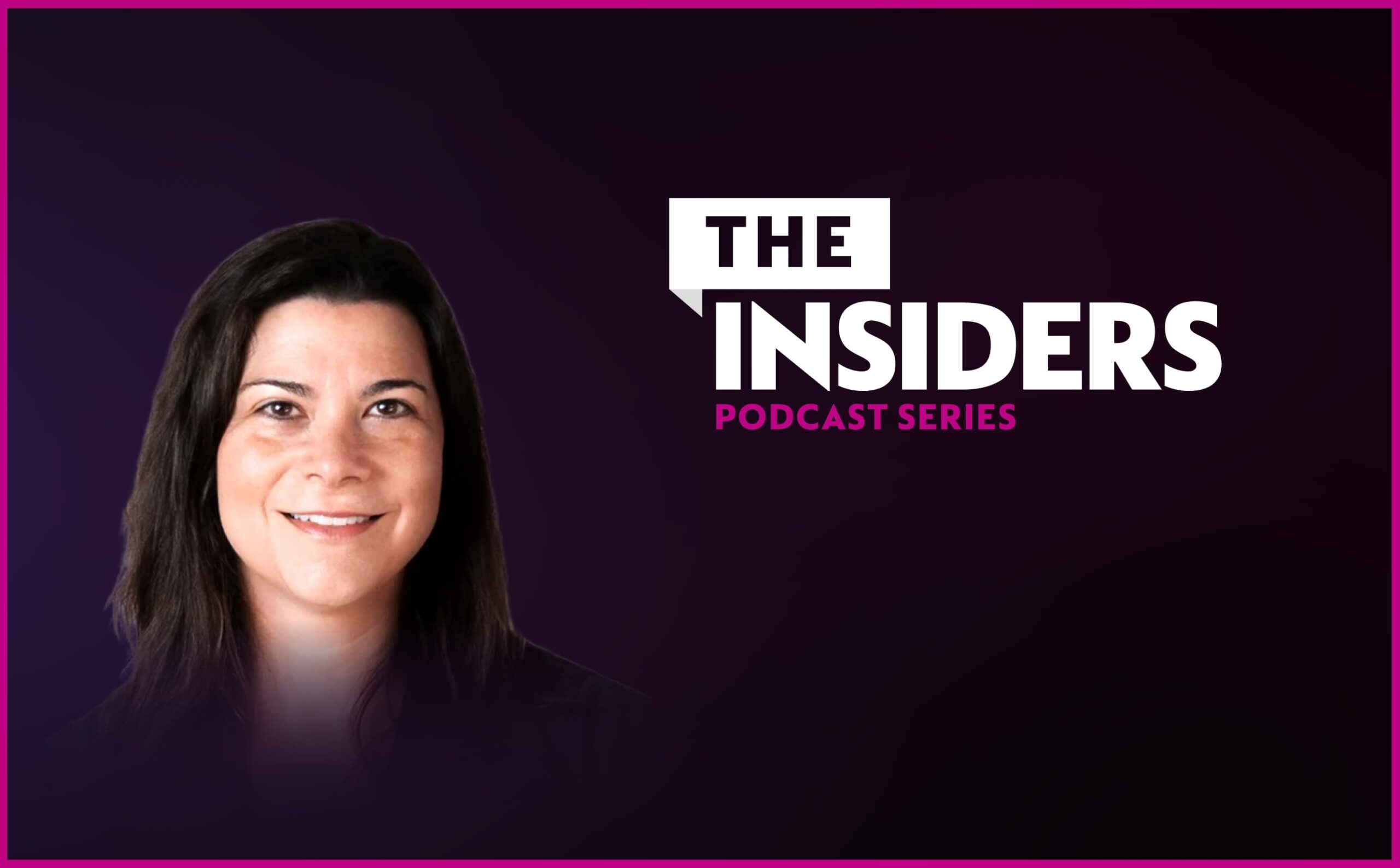
Jessica Gilmartin, former CRO and CMO at Calendly, joins Richard Lane to discuss how to build a high-performing marketing team and why revenue should be the focus of modern marketing.
Listen now
